
A toothache can sometimes be easy to ignore, especially when the pain comes and goes. However, persistent tooth pain, sensitivity, or swelling can sometimes indicate a problem deeper inside the tooth. One of the treatments commonly used when the inner part of a tooth becomes infected or severely inflamed is root canal treatment.
Understanding the warning signs can help you seek dental care at the right time. At Dr. Purva's Multispeciality Dental Clinic, a detailed dental examination helps identify the cause of discomfort and determine the most appropriate treatment for each patient.
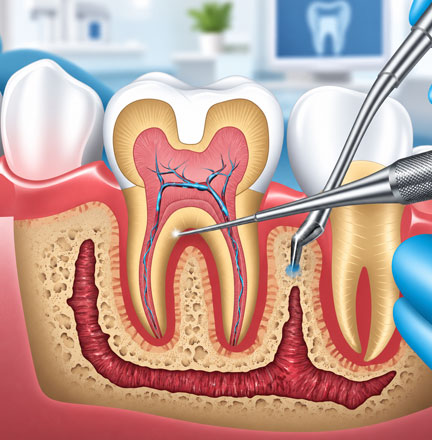
Each tooth has an inner area called the dental pulp, which contains nerves and blood vessels. When decay, cracks, or an injury reaches this area, the pulp can become inflamed or infected.
At first, the problem may appear as mild sensitivity or occasional discomfort. As the condition progresses, the pain may become more noticeable and can sometimes affect everyday activities such as eating, sleeping, or chewing.
Not every toothache requires a root canal, but certain symptoms should not be ignored. You may need a dental evaluation if you experience:
These symptoms can have different causes, so a dental examination is important before deciding on any treatment.
Deep tooth decay is one of the common reasons a tooth may require root canal treatment. When decay progresses through the outer layers of the tooth and reaches the pulp, the tissue inside can become inflamed or infected.
A tooth may also require treatment following a crack, fracture, or injury. In some cases, an infection can develop even when there is no obvious pain, which is why regular dental check-ups can be helpful in identifying dental problems early.
One of the main purposes of root canal treatment is to preserve the natural tooth when possible. Instead of removing the entire tooth, the infected tissue inside is carefully removed, the root canals are cleaned, and the tooth is sealed.
Once the tooth has been appropriately restored, it can continue to function as part of your natural smile. Depending on the condition of the tooth, a suitable restoration such as a crown may also be recommended to provide additional protection.
No. Tooth pain can occur for many different reasons, including cavities, gum problems, sensitivity, cracked teeth, or other dental conditions. Similarly, some teeth that need treatment may not cause significant pain.
This is why it is better not to self-diagnose based only on symptoms. A dentist can examine the tooth and, when required, use dental X-rays or other diagnostic methods to understand what is happening beneath the surface.
When dental pain is ignored, an underlying infection may continue to develop. In some cases, this can lead to swelling, an abscess, or further damage to the tooth and surrounding tissues.
Seeking dental advice when symptoms first appear can help identify the problem earlier and provide an opportunity to discuss suitable treatment options before the condition becomes more complicated.
Good daily oral care plays an important role in preventing many dental problems. Brushing twice a day, cleaning between the teeth, limiting frequent sugary foods and drinks, and maintaining regular dental check-ups can help protect your teeth.
It is also important not to ignore recurring sensitivity or tooth pain simply because the discomfort temporarily disappears. A dental problem may still be present even when symptoms become less noticeable.
If you have persistent tooth pain, sensitivity, swelling, discomfort while chewing, or any unusual change in a tooth, it is worth getting it checked. Early evaluation can help determine the actual cause and whether the tooth can be treated and preserved.
At Dr. Purva's Multispeciality Dental Clinic, every dental concern is evaluated based on the individual patient's condition and needs. If you are experiencing ongoing tooth discomfort, a timely dental consultation can help you understand the cause and the treatment options available to protect your natural smile.